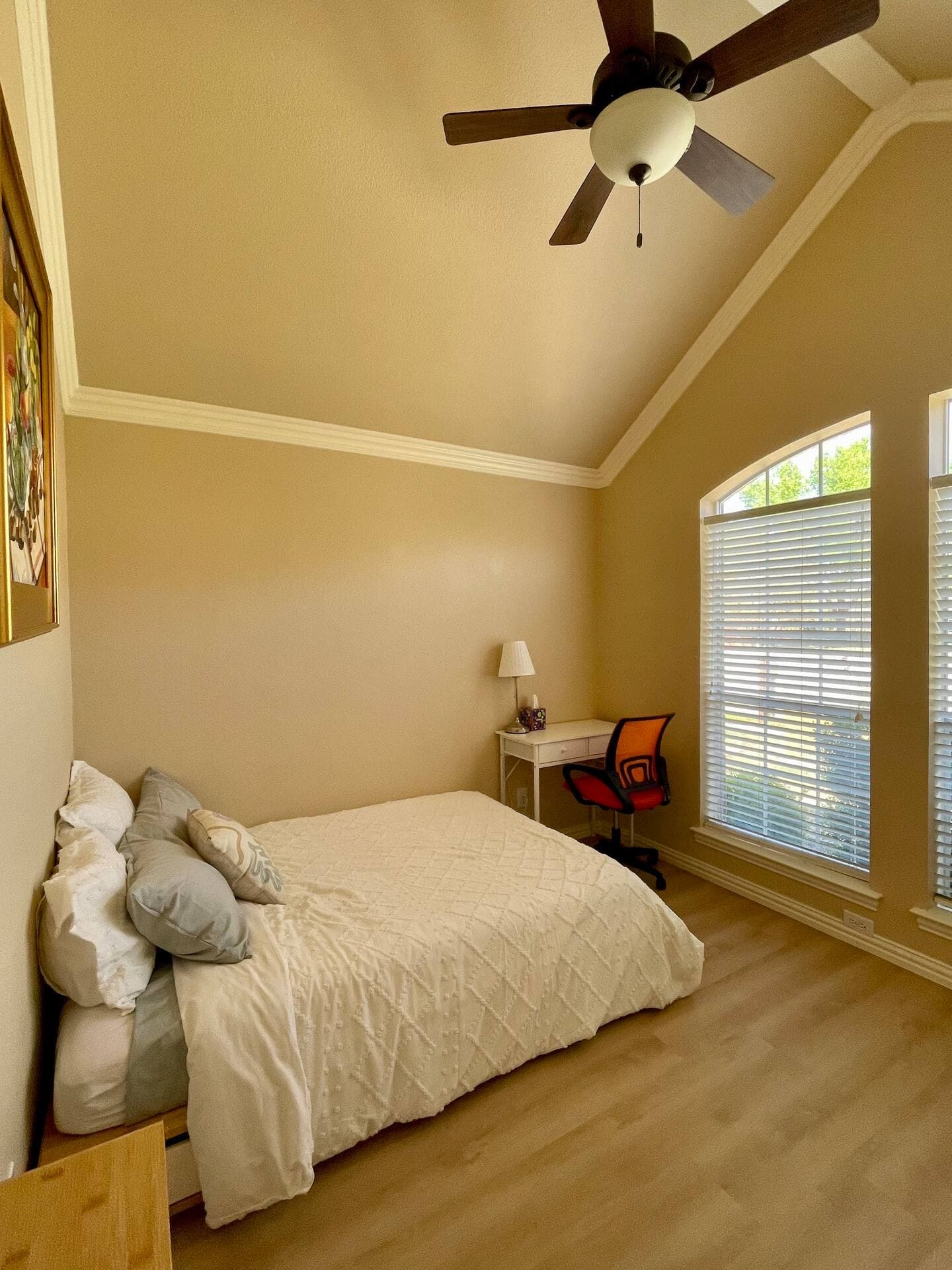

When you're moving to Dallas and looking for housing, the internet gives you two obvious paths: post on a Facebook group or scroll through Craigslist to find roommates, or look into coliving spaces like Dali House.
On the surface they look similar. Shared home, split costs, other people around. In practice, they're pretty different experiences, especially for women moving to a new city without an existing network.
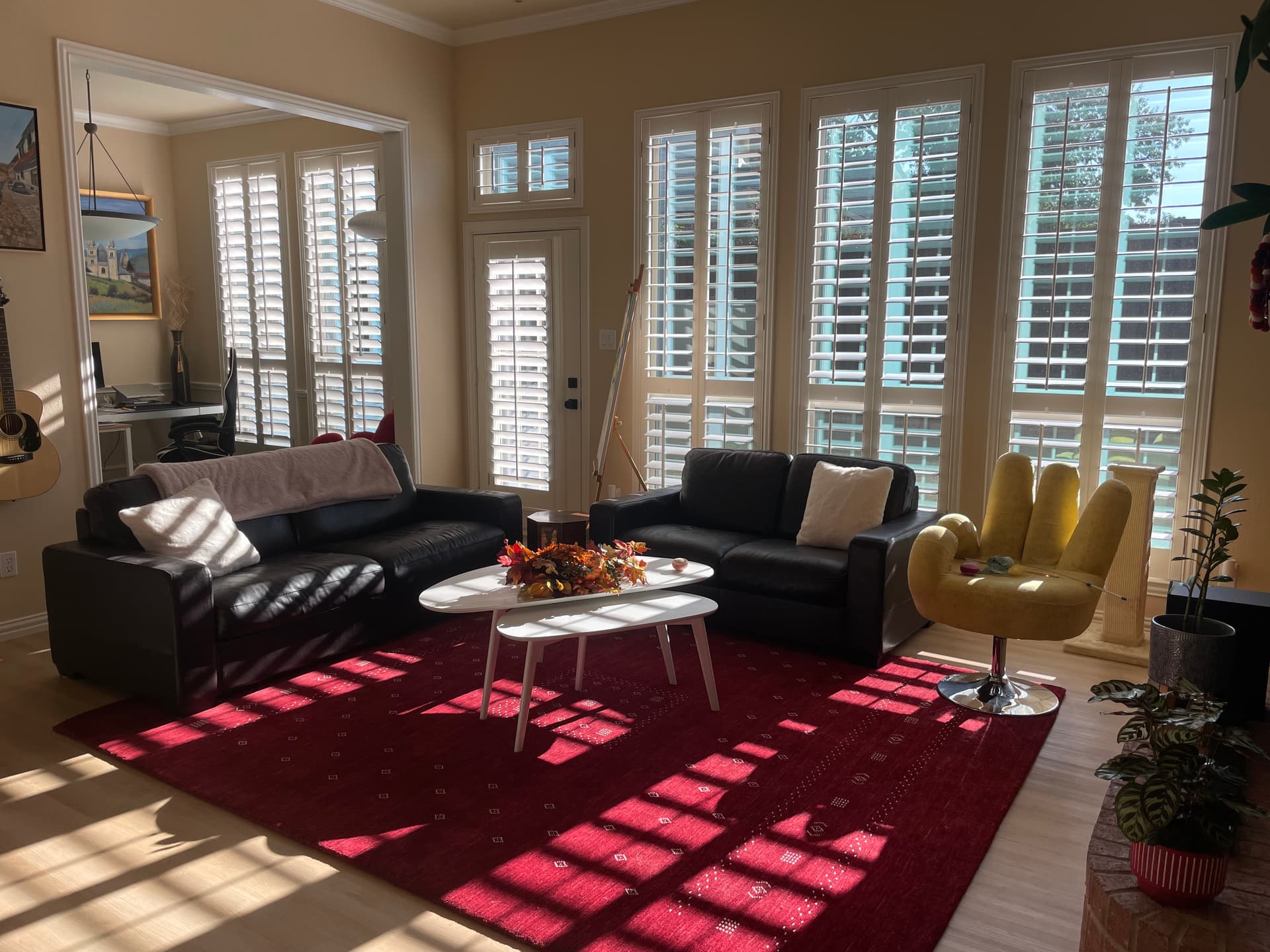
What the random roommate search actually looks like.
Most women who've gone this route know the drill.
You post in a Dallas housing Facebook group or search Craigslist. You get messages from strangers. Some listings look promising. Some feel off. You set up showings, try to get a read on people through a 20-minute apartment visit, and eventually make a call on who you'll share a kitchen with.
If it works out, great. If it doesn't, you're stuck (usually on a 12-month lease) figuring out how to make the best of a mismatched situation.
The search itself takes time. Finding a room that fits your budget, timeline, and location preferences can take weeks. And there's no standard vetting process, no house culture to speak of, no one managing the shared experience. You and your future roommates are building that from scratch, which works well when values align and can be quietly exhausting when they don't.
What coliving actually is.
Coliving is shared housing where the living experience is intentional rather than incidental.
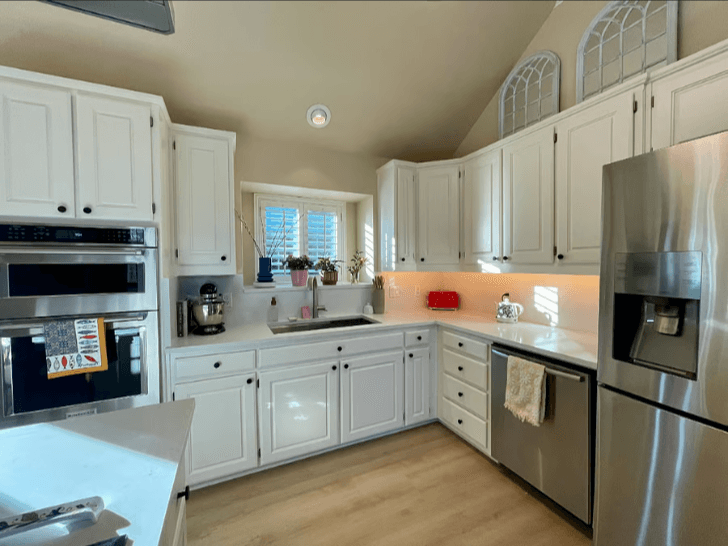
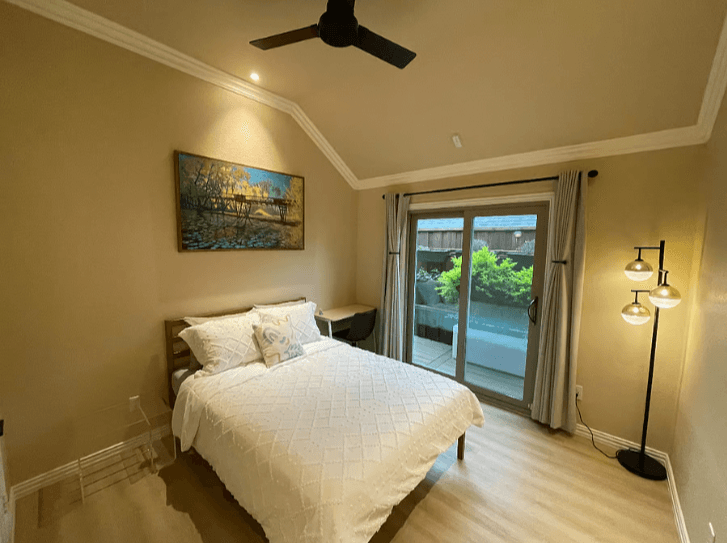
The short version: a furnished private room in a shared home, with utilities included, where the people and the space have both been thought about ahead of time.
At a good coliving space, there's an application process, meaning the people you live with have been vetted, not just whoever messaged first. The home is already furnished and functioning from day one. Utilities, cleaning of common areas, and usually wifi are included in one monthly cost. Lease terms tend to be more flexible than a standard apartment.
Six real differences worth comparing.
1. Safety and vetting
With random roommates, the vetting process is whatever you create yourself. A text exchange and a 30-minute walkthrough with a stranger. No standard background check, no one reviewing whether this person has a history of lease violations.
Coliving spaces, at least the good ones, have an actual application process. At Dali House, residents are chosen with care. That matters, especially when you're new to a city and don't have people nearby who could help you sort out a bad living situation.
2. Community vs. coincidence
With random roommates, the social dynamic is luck-based. You might end up with a real friend. You might end up with someone polite but distant. Either is fine, but neither is designed.
Coliving spaces are built around shared values. Women who apply to Dali House are usually in a similar life stage: new to Dallas, building something, open to community. For women who are relocating to Dallas without a social circle, this starting point matters.
3. Lease flexibility
Traditional roommate situations usually come with 12-month leases. If you're new to Dallas and still figuring out your neighborhood, job, and daily life, a year-long commitment to a specific house with specific strangers is a big ask. Coliving leases tend to be more flexible: shorter minimum stays, month-to-month options, or 3-to-6 month starts.
4. Cost transparency
The sticker price for a coliving room can look higher at first glance. But the random roommate option rarely accounts for everything you actually pay.
Coliving costs are usually all-in: rent, utilities, wifi, furnished space, common area cleaning. Random roommate setups require you to buy furniture, split fluctuating utilities, and figure out cleaning arrangements separately. The gap is often smaller than it looks. Sometimes coliving is actually cheaper.
5. Move-in readiness
If you're relocating from another city, coordinating furniture delivery while starting a new job is a lot. Coliving means you show up with your suitcase and the room is ready. That's not a small thing when you're already managing the stress of relocating.
6. Social infrastructure vs. isolation
This is the one that gets underestimated most.
Moving to a new city alone, into an apartment with strangers who keep different hours, can be surprisingly isolating. Coliving gives you a social starting point: actual people in your daily life who are also building something in Dallas. That baseline makes the rest of building a social life in Dallas go a little faster.
Who each option is right for.
Random roommates still make sense if you already have a trusted friend to live with, if you've lived in Dallas before and know exactly what you want, or if you need total flexibility over your space (a pet, a home office, a very specific neighborhood) that coliving arrangements can't accommodate.
Coliving tends to work best for women who are:
- New to Dallas and want a soft landing over a cold start
- Moving solo without a ready-made roommate
- Starting a new job and don't want to manage a full move-in simultaneously
- Interested in community, not just a place to sleep
- Uncertain about long-term plans and want lease flexibility
- Tired of the random roommate search and want something more vetted
The Dali House perspective.
Dali House exists because the random roommate process (and the first few months alone in a new city) can be harder than it looks on paper.
It's a women-only coliving home in Dallas, furnished from day one, with utilities included and residents who are selected for alignment rather than whoever responds first. The goal is simple: a home where landing in Dallas feels softer, where you're not starting from zero socially, and where the basics are already handled so you can focus on actually building a life here.
If you're weighing your options and want to see what that looks like, you're welcome to tour or apply.